by Conrad Meertins | Dec 30, 2024 | Valuation

So, you’re a real estate professional, right? You’re no stranger to appraisal reports. They’re part of your daily grind. But let’s be real, these documents can sometimes feel like they’re written in a different language. How can you crack the code to understanding them better? That’s what this article is all about.
An appraisal report, in its simplest form, is an unbiased estimate of the value of a property. It’s an essential tool for lenders, buyers, and yes, agents like you. Why? Because it provides a defensible opinion of market value of a property, which is crucial in any real estate transaction.
Understanding appraisal reports isn’t just a nice-to-have skill. It’s a must. When you know your way around these reports, you’re in a better position to advise your clients, negotiate deals, and close sales. It’s about leveling up your game in the competitive world of real estate. So, are you ready to dive in? Let’s do this.
Tip 1: Know the Basics
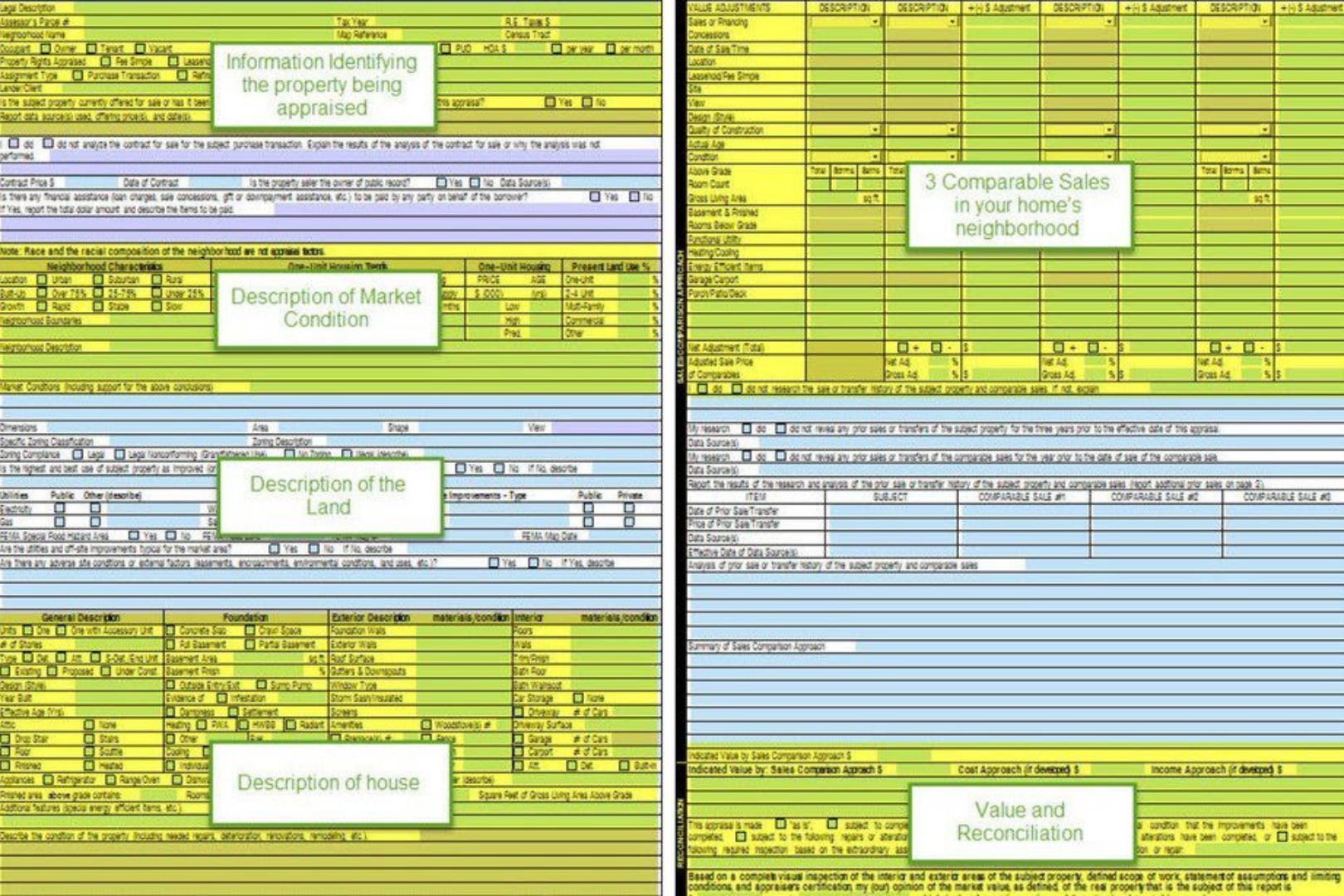
First, you’ve got the ‘Subject’ section. This is where you’ll find information about the property in question. It’s the ‘who’ and ‘where’ of the report. Details like the property address, legal description, and owner’s name are all nestled in here.
Next up is the ‘Contract’ section. If there’s a sale going on, this is where you’ll find the details. Think purchase price, contract date, and the like. It’s the ‘what’ and ‘when’ of the report.
Then we’ve got the ‘Neighborhood’ section. This is where the appraiser paints a picture of the area surrounding the property. It’s the ‘context’ of the report, giving you a snapshot of the local real estate market and the broader forces at play.
The ‘Improvements’ section is next in line. This is where the property itself comes under the microscope. Everything from the home’s condition to its unique features is laid out here. It’s the ‘how’ of the report, showing you what the property has (or doesn’t have) going for it.
Finally, we have the ‘Valuation’ and ‘Reconciliation’ sections. This is where the rubber meets the road. After considering all the data, the appraiser provides an estimated market value for the property and explains how they arrived at that figure. It’s the ‘why’ and ‘so what’ of the report, tying everything together.
FYI the Valuation sections encompasses the Sales Comparison Approach, the Income Approach and the Cost Approach.
Now, let’s talk key terms. ‘Subject’, ‘Contract’, ‘Neighborhood’, ‘Improvements’, ‘Valuation’, ‘Reconciliation’ – these are your new best friends. Get to know them, understand them, and you’ll be well on your way to mastering the art of reading appraisal reports.
Remember, knowledge is power. The more you understand the basics, the better equipped you’ll be to navigate the complex world of real estate appraisals. It’s not rocket science, but it does require a bit of dedication. Are you up for the challenge?
Tip 2: Understand the Purpose of the Appraisal

So, you’ve got the basics down. Great! But let’s not stop there. Why is the appraisal being done in the first place? Knowing the ‘why’ can provide a whole new perspective on the ‘what’.
There are several reasons an appraisal might be ordered. Maybe it’s for a home sale, or a refinancing deal. Maybe it’s for an estate settlement or a divorce settlement. Each purpose has its own unique considerations that can impact the final appraisal report.
Let’s say the appraisal is for a home sale. The main objective here is to determine if the contract price is in line with market realities.
On the other hand, an appraisal for a estate settlement may focus more on the market value as of “date of death”, which might not necessarily align with the current market value.
Why does this matter? Because the purpose of the appraisal can directly influence the report. It can affect the approach the appraiser takes, the comparables they select, and the adjustments they make.
In essence, understanding the ‘why’ behind the appraisal can help you better understand the ‘what’ in the report. It’s not just about reading the numbers, it’s about comprehending the story those numbers are telling.
So next time you’re handed an appraisal report, take a moment to ask – why was this appraisal done? The answer might just change the way you read the report.
Tip 3: Pay Attention to the Comparables
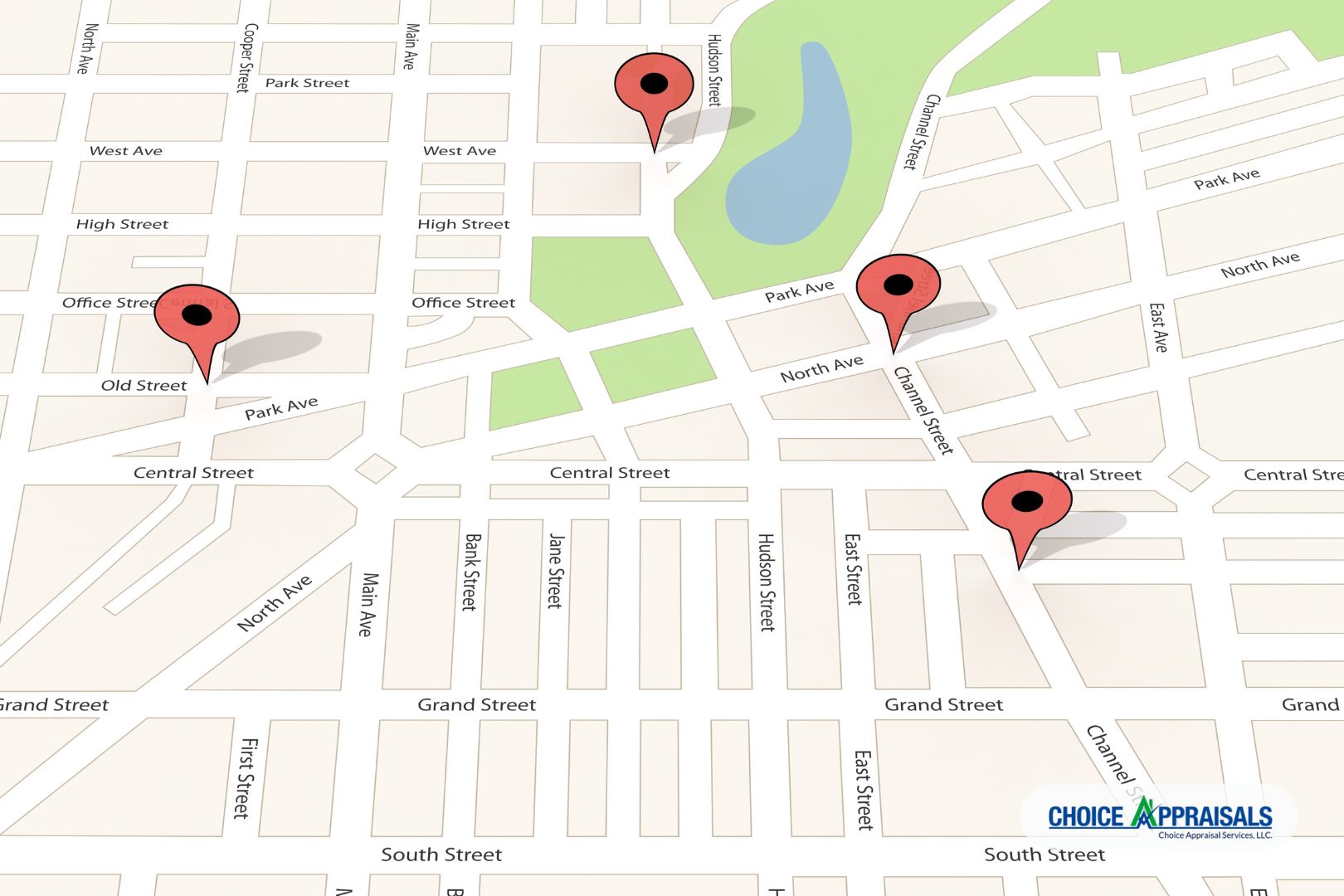
Alright, let’s chat about comparables, or “comps” as they’re often called in the biz. These are properties similar to the one being appraised that have recently sold or are currently on the market. They play a key role in determining the appraised value of a property. Think of them as the yardstick by which your property is measured.
The comparables are analyzed in the Sales Comparison Analysis section of an appraisal report. This section can seem like a jumble of numbers and terms, but it’s not as daunting as it looks.
Here’s the lowdown: each comp is listed with its selling price, and various features such as location, size, age, condition, and amenities. These features are compared to those of the property being appraised, and adjustments are made to the comp’s selling price based on the differences.
So, how do you make sense of this section? Here’s a tip: don’t get too caught up in the individual adjustments. Instead, look at the big picture. Are the comps similar to your property? Are they in the same neighborhood? Do they have similar features? If the answer is yes, then the appraised value is likely on point.
But if the comps seem off – maybe they’re in a different neighborhood, or they’re significantly larger or smaller – that could be a red flag. Remember, comps are a major factor in determining the appraised value. If they’re not truly comparable, the value could be skewed.
So, keep a keen eye on the comparables. They’re more than just numbers on a page – they’re a crucial piece of the appraisal puzzle.
Tip 4: Review the Adjustments

So, you’ve got your hands on an appraisal report and you’re cruising through the comparables. You’re feeling good, feeling confident. But then, you hit the adjustments section and suddenly, it’s like you’ve run into a brick wall. Don’t worry, it’s not as daunting as it seems. Let’s break it down.
Adjustments, in the simplest terms, are like the tweaks on a stereo equalizer. They’re used to level the playing field between the subject property and the comparables.
For instance, if a comparable property has a swimming pool and the subject property doesn’t, an adjustment is made to account for this difference. This ensures that you’re comparing apples to apples, not apples to oranges.
But how do you interpret this section? Well, it’s not about just looking at the numbers. It’s about understanding the story those numbers tell.
When you see a negative adjustment, it means the comparable is superior to the subject property in that aspect. A positive adjustment, on the other hand, indicates the subject property is superior.
Pro Tip
CBS – Comparable Better? – Subtract!
CIA – Comparable Inferior? – Add!
The key here is to not get lost in the figures. Instead, try to understand the rationale behind each adjustment. Why was it made? How does it affect the overall value? Remember, each adjustment is a piece of the puzzle that forms the final appraisal value.
Now, you might be wondering, “What if I disagree with an adjustment?” That’s a valid concern. The key questions is: “Is the adjustment market based? – Is it supported by evidence?
The appraisers support for his or her adjustments should be noted in the comments or addenda. Understand their perspective and use that knowledge to better serve your clients.
So next time you’re faced with the adjustments section, don’t panic. Take a deep breath, review each adjustment carefully, and try to see the story behind the numbers. It might take some practice, but once you get the hang of it, you’ll be able to navigate this section like a pro.
Tip 5: Don’t Ignore the Conditions and Assumptions

This section isn’t just small print. It’s the equivalent of the secret sauce in a gourmet recipe. Ignore it at your peril. The conditions and assumptions section of an appraisal report often gets sidelined, but it’s a crucial part of the whole narrative. It’s like the director’s commentary on a movie. You get to understand the ‘why’ behind the ‘what’.
Why is it so important? It’s because this section outlines the terms under which the appraisal was made. It’s a list of all the factors that the appraiser assumed to be true when determining the value of the property.
This could include anything from zoning laws to the physical condition of the property. It’s the lens through which the appraiser viewed the property, and it can significantly impact the final appraisal value.
Think of it like this: you’re a detective, and this section is a vital clue that helps you piece together the full picture. If you don’t consider these conditions and assumptions, you might end up with a distorted understanding of the property’s value.
So, how do you navigate this section? Start by reading it carefully. Don’t skim. Each assumption or condition is a piece of the puzzle. If something seems off or doesn’t make sense, flag it. Ask questions. Challenge assumptions.
Remember, your job is to get a complete and accurate understanding of the property’s value. You can’t do that if you’re working with incomplete or inaccurate information.
The conditions and assumptions are not just a footnote. It’s a crucial part of the appraisal report that deserves your full attention. Ignore it at your own risk.
Unfortunately, assumptions can be written anywhere in the report, but they are required to be prominent wherever they are placed.
Tip 6: Look for Errors

It’s a little-known secret that even appraisal reports, as official as they may seem, can be prone to human error. And while it’s not exactly like hunting for Waldo, spotting these mistakes requires a keen eye and a solid understanding of the appraisal process.
Common errors can range from minor typos to major miscalculations. They might be as simple as misspelled names and incorrect property addresses, or as significant as erroneous square footage calculations and inaccurate comparable sales data. These mistakes, while they might seem trivial, can have a profound impact on the final appraisal value.
So, how do you play detective with an appraisal report? First, don’t rush. Take your time to thoroughly review each section of the report.
Pay special attention to the property description and the comparable sales used. Ensure the information aligns with what you know about the property and the local market.
Second, question everything. Does the reported square footage match your records? Do the comparable sales seem appropriate? If something seems off, it probably is.
Lastly, don’t hesitate to reach out to the appraiser for clarification. Remember, it’s not about challenging their expertise but about ensuring accuracy. After all, we’re all human and mistakes do happen.
Looking for errors isn’t about being nitpicky—it’s about safeguarding your client’s interests and maintaining the integrity of the transaction. So, put on your detective hat and start scrutinizing those appraisal reports.
Tip 7: Consult with the Appraiser

Ever heard the saying, “two heads are better than one?” It rings true in the world of real estate appraisals as well. The final, and arguably one of the most important, tips is to establish an open line of communication with the appraiser.
Why? Because appraisers are the masters of their craft, they hold a wealth of knowledge that can provide you with invaluable insights into the appraisal report.
Now, you might be thinking, “Great, but how do I approach this conversation without sounding like I’m questioning their expertise?” Good question. Here’s how.
Firstly, approach the conversation with genuine curiosity. You’re not there to challenge their appraisal, but to understand it. Ask them to explain the reasoning behind their choices, particularly if something isn’t clear to you.
A phrase like “Could you help me understand why this particular comparable was chosen?” comes across as much more collaborative than confrontational.
Secondly, make it a two-way street. Share your knowledge about the property and its neighborhood. You might have information that the appraiser wasn’t aware of, like upcoming developments in the area or recent sales that weren’t listed publicly. This can be incredibly beneficial to both parties.
Finally, remember to respect their time and expertise. Appraisers are busy professionals, so keep your questions concise and to the point.
And remember, while it’s okay to ask for clarification, it’s not okay to pressure an appraiser to change their valuation. Their independence and objectivity are crucial aspects of their role.
In a nutshell, don’t be a stranger to the appraiser. A little bit of communication can go a long way in helping you understand an appraisal report. Plus, it can strengthen your professional relationships, making future appraisals a smoother process.
Conclusion
Alright, so we’ve covered a fair bit of ground here. Let’s take a moment to circle back and recap the seven pointers that can make reading appraisal reports less of a headache and more of a breeze for you.
First off, get your head around the basics. Know the structure, understand the key terms. Next, grasp the purpose of the appraisal. It’s not just numbers and figures; there’s a story behind it all. Then, give due attention to the comparables and adjustments. They’re not just fillers; they play a significant role in the valuation.
Also, don’t let your eyes glaze over the conditions and assumptions section. It’s not just fine print; it can seriously impact the appraisal value. And while you’re at it, be on the lookout for errors. They’re not just typos; they can skew the entire report.
Lastly, don’t hesitate to reach out to the appraiser. They’re not just report generators; they can provide valuable insights and clarifications.
Well, we’ve come to the end. I really hope this guide has helped you to understand appraisal reports better. If I can be of service to you as you navigate the world of appraisals, please reach out. I am always happy to help.
Keep learning, keep growing, and keep rocking the real estate world!
by Conrad Meertins | Dec 23, 2024 | Valuation

When it comes to real estate transactions, appraisals are crucial. They determine the value of a property and can significantly impact the outcome of a deal. But what if the appraisal seems off? Here are five red flags you should look out for in your appraisal report.
Introduction
Ever wondered what makes an appraisal report a cornerstone of real estate transactions? Well, an appraisal report is a comprehensive analysis that provides an expert opinion of the market value of a property. It’s like the GPS of a real estate transaction, guiding all parties involved on the right value path.
Picture this: You’re about to buy a house. It’s charming, it’s cozy, it’s perfect. But is it worth the price tag? That’s where an appraisal comes in. It ensures that the property’s price aligns with its actual worth, protecting buyers from overpaying and sellers from underselling.
But here’s the kicker: not all appraisals are created equal. Accuracy is the name of the game. An inaccurate appraisal can be like a faulty GPS, leading you down a winding path to a destination that doesn’t match your expectations. It can throw off the balance of a transaction, causing headaches for buyers, sellers, and lenders alike.
That’s why it’s crucial to keep an eagle eye on your appraisal report, to ensure it’s as accurate as a Swiss watch. In the following sections, we’ll examine five red flags that could indicate your appraisal needs a second look. So buckle up, and let’s get started.
Red Flag 1: Inaccurate Property Details

Picture this: you’re excited about a property you’re considering for purchase. You’ve walked the rooms, admired the square footage, counted the bathrooms. But then you receive the appraisal report and something seems off.
The report states the property has one less bathroom than you’ve physically counted, and the square footage seems underreported. This, my friend, is a red flag waving right at you.
Inaccurate property details in an appraisal report, such as incorrect square footage or number of rooms, can significantly skew the appraisal value.
It’s like trying to compare apples to oranges; you’re not getting a true value comparison. This could lead to a lower appraisal than what the property might actually be worth, and you could be on the losing end of the deal.
So, how do you spot these errors? It’s simple. Compare the property details in the appraisal report with the actual property specifications. This could be from your own observations during a property visit or from the property listing details. If there’s a discrepancy, it’s time to raise an eyebrow.
And what do you do if you find these errors? Reach out to the lender or appraiser for clarification. It could be a simple oversight that can be easily corrected. If the appraiser stands by the inaccurate details, consider getting a second opinion.
Remember, when it comes to real estate transactions, knowledge is power and accuracy is key. Stay vigilant and don’t be afraid to question the details.
Red Flag 2: Ignoring Comparable Sales

Ever heard the saying, “You’re only as good as the company you keep?” Well, in the world of real estate appraisals, it’s more like, “Your property’s value is only as accurate as the comps it’s compared to.” Comparable sales, or “comps,” are the lifeblood of a solid appraisal. They’re the benchmark against which your property’s value is measured.
Imagine you’re selling a three-bedroom house with a spacious backyard and a newly renovated kitchen. It would be reasonable to compare your property to a similar one that recently sold in your neighborhood.
But what if the appraiser compares it to a smaller, outdated property or one in a less desirable location? The result could be a skewed appraisal that undervalues your property.
So, how do you spot this red flag? It’s all about doing your homework. Research recent sales of similar properties in your area. If the comps used in your appraisal don’t match up, that’s a red flag.
But don’t stop there. If you find discrepancies, bring them to the attention of the appraiser or lender. Provide them with the accurate comps and ask for a review of the appraisal. Remember, it’s not about challenging the expertise of the appraiser, but ensuring the accuracy of your appraisal. After all, your property’s worth is on the line.
Red Flag 3: Inexperienced Appraiser

Imagine walking into a restaurant, and the chef tells you it’s his first day cooking. You’d probably be a bit apprehensive, right? The same goes for appraisals. An inexperienced appraiser is like a rookie chef – they might know the basics, but they lack the finesse and insight that come with years of experience.
An inexperienced appraiser might miss subtle details or nuances that a seasoned pro would catch. This could lead to a less accurate valuation of your property, which could impact your transaction significantly. Picture this – an appraiser underestimates the value of your property by 10%. That could mean thousands of dollars left on the table. Ouch!
So, how do you know if your appraiser is a rookie or a seasoned pro? Again, it’s all about doing your homework. Check their credentials and ask about their experience. How long have they been in the business? How many appraisals have they done? Have they worked in your area before? These questions can give you a sense of their level of expertise.
Also, remember that experience isn’t just about quantity; it’s about quality too. Has the appraiser continued their education and stayed up-to-date with industry trends? Have they received positive feedback from clients? These factors can indicate whether an appraiser has the experience and knowledge necessary to provide an accurate, fair valuation.
In the end, if something doesn’t feel right, don’t be afraid to speak up or seek a second opinion. After all, it’s your property and your transaction on the line. Don’t settle for less than the best.
Red Flag 4: Geographic Incompetence

“Geographic incompetence” sounds like an insult you’d throw at a lost tourist, doesn’t it? Well, in the realm of real estate appraisals, it’s a real issue that can make or break a property’s valuation. Let’s break it down.
Geographic incompetence refers to an appraiser’s lack of familiarity with the area where the property is located. It’s like asking a New Yorker for the best bourbon tasting here in Louisville– they might have an opinion, but it’s unlikely to be as informed as a local’s.
When an appraiser doesn’t know the local market well, they can miss crucial details that impact a property’s value. This could include anything from overlooking local amenities to failing to account for the area’s growth potential or unique real estate trends.
So, how do you spot this red flag? You might notice a lack of local comparable sales in the report or a disregard for location-specific factors that could affect the property’s value. The appraiser might also make assumptions or generalizations that don’t quite fit with what you know about the area.
If you suspect geographic incompetence, don’t panic. Instead, take action. Ask the appraiser about their experience with your area. If they’re not forthcoming or their answers don’t inspire confidence, consider informing your lender or getting a second opinion. As I said before, it’s your property, your deal, and you have the right to an accurate appraisal.
Remember, even seasoned appraisers can falter when they step out of their geographic comfort zone. It’s up to you to ensure your property is evaluated by someone who knows the lay of the land.
Red Flag 5: Bias or Prejudice

Let’s take a moment to think about the last time you had to make a decision. Did you rely solely on facts and figures, or did your personal feelings or preconceived notions come into play? Now, imagine that same scenario, but in the context of an appraisal. Bias or prejudice, whether intentional or subconscious, can significantly skew an appraisal, leading to a less-than-accurate property valuation.
Bias in an appraisal can manifest in various ways. It might show up as favoritism towards a certain type of property or neighborhood, or it could be a negative bias against properties in less affluent areas. Prejudice, on the other hand, could stem from personal beliefs or experiences, and can equally distort an appraiser’s judgment.
Spotting signs of bias or prejudice in an appraisal can be tricky, as they often hide behind the veil of professional discretion. However, a few telltale signs might include a lack of comparable sales in the report, or a repeated pattern of undervaluing certain types of properties or locations.
If you suspect bias or prejudice in your appraisal, it’s essential to address it head-on. Start by discussing your concerns with the appraiser. Remember, it’s entirely possible for bias to be unintentional, and a professional appraiser should be open to reassessing their work.
If the appraiser dismisses your concerns, consider seeking a second opinion. It’s crucial to ensure your property is evaluated objectively and accurately, free from any bias or prejudice.
In the end, the goal is to ensure fairness and accuracy in the appraisal process. By being vigilant and knowledgeable, you can play an active role in achieving this.
Navigating Property Value Disputes

When you’ve spotted a red flag in your appraisal report, what’s the next step? How do you navigate the choppy waters of property value disputes? Don’t worry, it’s not as daunting as it sounds. You’re not the first to face this, and certainly won’t be the last. Let’s walk through this together.
First things first, keep calm. A dispute doesn’t mean you’re at a dead-end. It’s simply a bump in the road that calls for some negotiation and, possibly, a little professional intervention.
Your first option is to request a second opinion. Just like in medicine, a second opinion in real estate can provide a fresh perspective, a different angle. It’s not about questioning the first appraiser’s competence (although sometimes, that might be the case), but about ensuring you have the most accurate and fair evaluation.
Remember, every appraiser brings their own experience and expertise to the table, and a second opinion might just bring you closer to the true value of your property.
But what if a second opinion isn’t enough? What if the dispute persists? This is where challenging the appraisal comes into play. To do this, you’ll need to gather solid evidence to support your claim. This might include recent comparable sales that were overlooked, or specific, factual errors in the report. It’s not about discrediting the appraiser, but about ensuring the report reflects the true value of your property.
In the end, navigating property value disputes requires a balanced blend of patience, assertiveness, and a good understanding of the appraisal process. It’s not about winning or losing, but about ensuring fairness and accuracy. After all, your property isn’t just a number on a report, it’s a significant investment. And it deserves a fair and accurate appraisal.
Conclusion
In the bustling realm of real estate, the appraisal report is your compass. It’s what guides you through the terrain of transactions, pointing out the true value of the property in question. But just like any compass, it needs to be accurate to be of any use. This is why it’s crucial to keep an eye out for those red flags we’ve talked about.
Remember, the devil is often in the details. Inaccurate property details can skew the appraisal, leading to a value that’s either too high or too low. Comparable sales, when overlooked or misused, can also throw off the appraisal.
The competency and impartiality of the appraiser are equally vital. An inexperienced appraiser or one with a geographic incompetence can easily miss the mark. And let’s not forget the role of bias or prejudice, subtle as it may be, in influencing the appraisal.
So, what’s the takeaway from all this? Vigilance and knowledge are your best allies in ensuring a fair and accurate appraisal. In the end, it’s all about ensuring that the real estate transaction is fair for all parties involved. And armed with the information we’ve discussed, you’re well on your way to doing just that.
So, go forth and conquer the world of real estate, one accurate appraisal at a time.
If you need an appraisal ally, give me a call. I am always here to help!
by Conrad Meertins | Dec 9, 2024 | Uncategorized
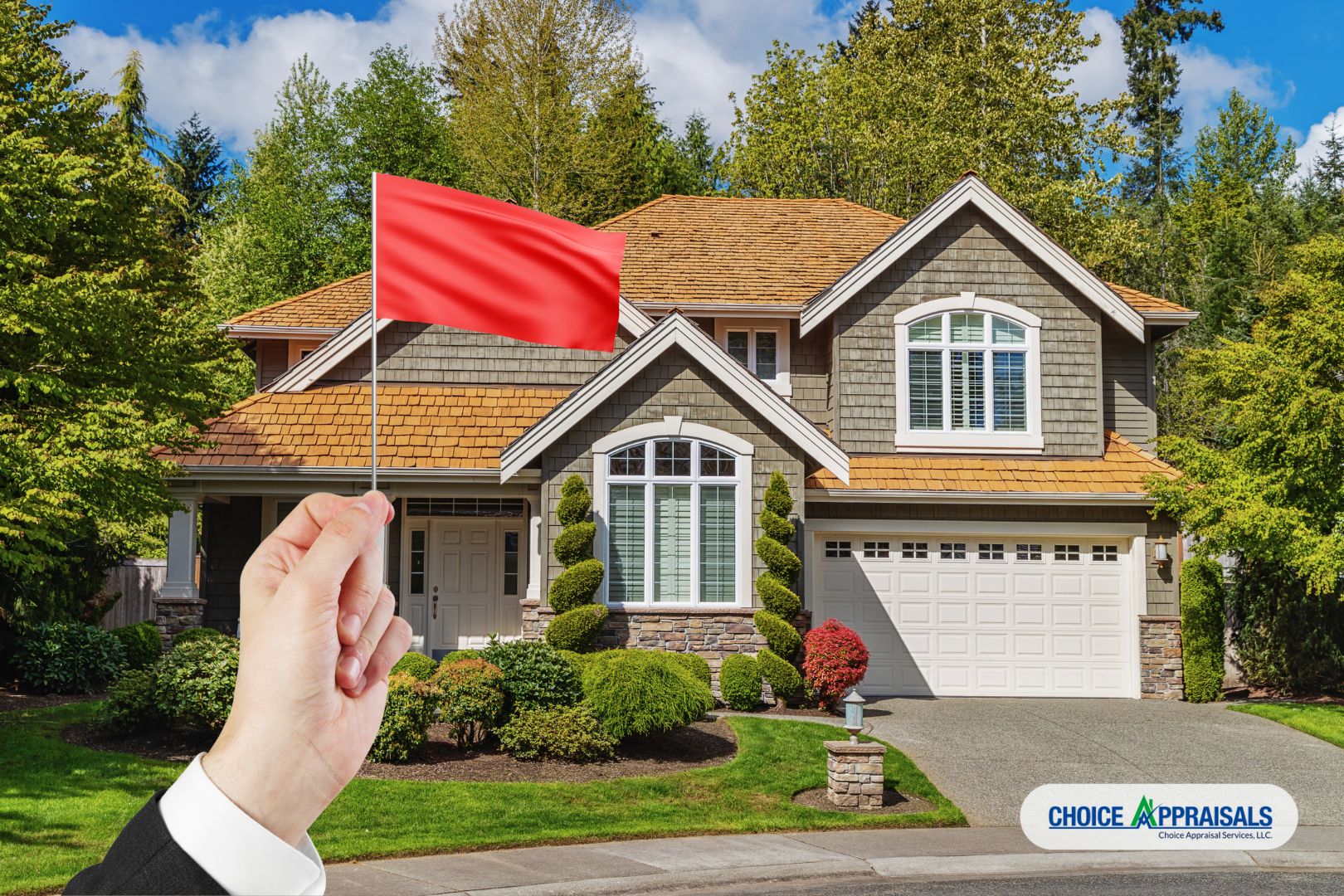
Whether you’re selling your home or refinancing your mortgage, an appraisal is a critical step in the process. Appraisers evaluate your property to determine its market value. However, certain issues, or “appraisal red flags,” can lower your home’s value. Let’s explore these red flags and how you can avoid them.
Introduction
Picture this: You’re ready to make a big move. You’ve got a buyer lined up for your home or you’re all set to refinance your mortgage. But there’s one crucial step left – the home appraisal. Enter the appraiser, the person who gets to decide the market value of your home. This individual walks through your property, eyes sharp, jotting down notes, assessing every nook and cranny.
Now, let’s talk about something called “appraisal red flags.” Think of these as the little gremlins that could potentially lower your home’s value in the eyes of the appraiser. It could be something as significant as a crack in the foundation or as subtle as outdated electrical systems.
This article will guide you through these red flags, helping you understand what they are and why it’s so important to be aware of them. Because, let’s face it, no one wants a lower appraisal than expected, right? So, let’s dive in and demystify these appraisal red flags.
Understanding Appraisal Red Flags
You’ve done everything you can think of to get your home ready to sell. Fresh paint on the walls, new fixtures in the bathroom, even a few strategic landscaping improvements to enhance curb appeal.
But when the appraiser arrives, they point out several issues that you hadn’t even considered. Suddenly, your home’s market value takes a hit. This is the power of “appraisal red flags.”
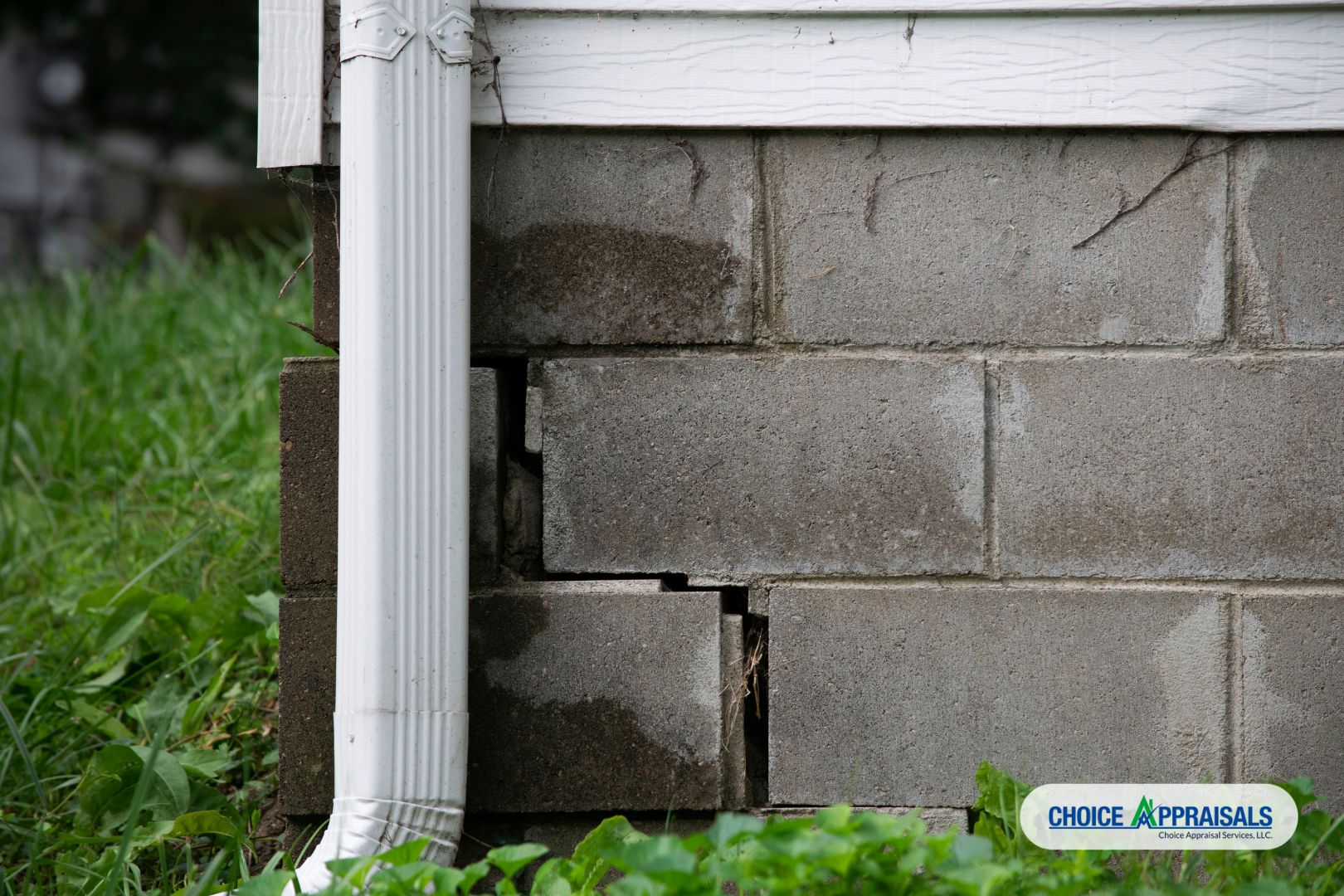
So, what exactly are these red flags? In the simplest terms, appraisal red flags are issues or conditions that can negatively impact the value of your home in the eyes of an appraiser. These can range from obvious physical problems, like a cracked foundation or outdated systems, to more subtle issues, like unpermitted renovations or even factors outside your home, like the gas station next door..
Now, you might be wondering: why should I care about these red flags? Well, in the world of real estate, knowledge is power. Being aware of potential appraisal red flags can help you anticipate issues before they become a problem, allowing you to address them proactively. Whether you’re a homeowner preparing for an appraisal or a buyer trying to understand the value of a potential investment, understanding these red flags can be a game-changer.
Think of it this way: each red flag is a conversation between you and the appraiser. They’re saying, “Hey, this could be a problem,” and you have the opportunity to respond, either by fixing the issue or by adjusting your expectations about your home’s value. So, let’s dive into these conversations and learn how to navigate them effectively.
Top 5 Appraisal Red Flags
Let’s dive into the nitty-gritty, shall we? Here are the top five red flags appraisers are on the lookout for when they swing by your property.
First up, Structural Issues. Think of your home as a human body, the structure is the skeleton that holds everything together. If there are cracks in the foundation or the roof looks like it’s seen better days, it’s like a broken bone or a bad back. It’s a serious problem. These types of issues can significantly knock down your home’s value because they’re costly to repair and can lead to other problems down the line. The key here is that if its observable to the appraiser that it’s something that he will likely notate in his or her report.
Next, we have Outdated Systems. If your home’s electrical, plumbing, or HVAC systems are older than the cast of Friends, you’ve got a problem. Appraisers know that outdated systems can be a ticking time bomb of expensive repairs. Plus, they’re not as efficient or safe as their modern counterparts. The appraiser is not a home inspector, but its easy to see corrosion on pipes, exposed electrical wires or leaking water heaters.
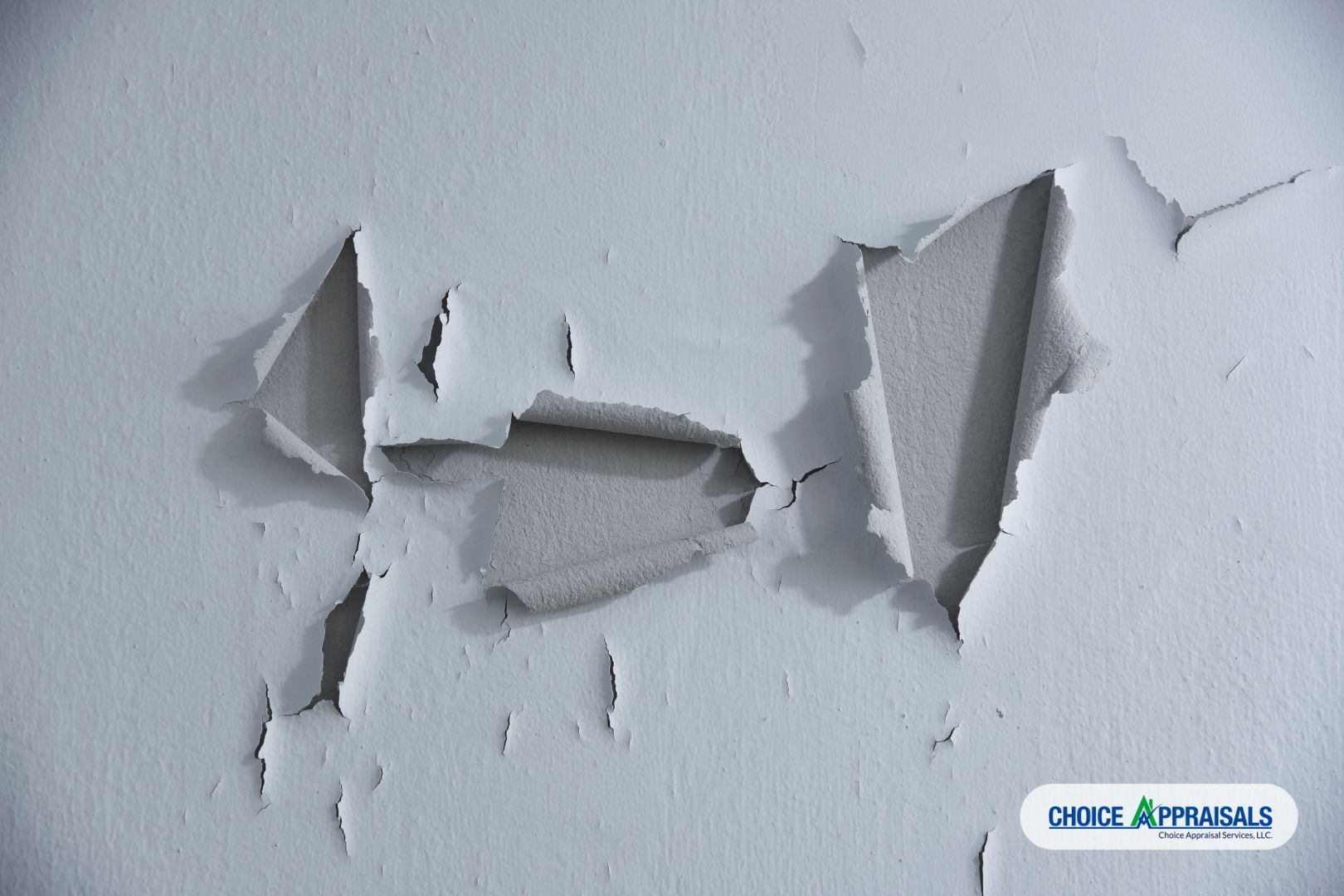
Thirdly, Poor Maintenance. You know that peeling paint you’ve been meaning to address or that leaky roof you’ve been ignoring? Yeah, appraisers notice that too. Signs of neglect like these are red flags because they suggest there might be other, potentially more serious issues lurking beneath the surface.
The fourth red flag is Unpermitted Additions. That DIY sunroom might seem like a selling point to you, but if it was done without the proper permits, it could be a liability. Unpermitted additions can lead to serious legal and safety issues, and appraisers may mention them in his report.
Finally, Neighborhood Factors. You might have the nicest house on the block, but if your block happens to be right next to a noisy highway, it’s going to hurt your appraisal. Appraisers take into account the market’s reaction to such influences when determining a home’s value.
In essence, appraisers are like home detectives, looking for clues that tell the true story of a property’s value. These five red flags are key indicators they use in their investigation. So, if you’re preparing for an appraisal, it’s wise to address these issues head-on. Don’t try to hide them or hope they’ll go unnoticed. Trust me, they won’t.
Tips to Avoid Appraisal Red Flags

So, you’ve got a good handle on what appraisers are on the lookout for – those pesky red flags that could potentially lower your home’s value. But what can you do about it? How can you make sure your home passes the appraisal with flying colors? Don’t worry, I’ve got your back. Let’s roll up our sleeves and dive into some practical tips that can help you sidestep these common appraisal pitfalls.
Firstly, take a good, hard look at your home. And I mean really look. Put yourself in the shoes of an appraiser. Are there any glaring issues that jump out at you? Cracked walls? Peeling paint? Outdated electrical systems? These are all things you’ll want to address before the appraiser’s visit.
Next, get your hands on a home inspection checklist. This can be a real lifesaver. It’ll guide you through each part of your home, helping you identify and fix potential red flags. And trust me, it’s a lot easier to fix these issues before the appraiser points them out.
Now, let’s talk about those unpermitted additions. You know, that fancy new deck you built last summer? If you didn’t get the proper permits for it, it could be a real thorn in your side during the appraisal. So, make sure you’ve got all your paperwork in order. If you’re missing any permits, now’s the time to get them.
Finally, remember that factors outside your home can also impact your appraisal. You might not be able to control the noise from the nearby highway, but you can make your home more appealing in other ways. A well-maintained garden, a new coat of paint, or even some attractive outdoor lighting can all help to boost your home’s curb appeal.
As Tom Horn, a seasoned appraiser from the Birmingham Appraisal Blog, wisely points out, “The best defense is a good offense.” By taking a proactive approach and addressing potential red flags before the appraisal, you’ll be in a much stronger position. So, don’t wait for the appraiser to knock on your door. Get ahead of the game and make sure your home is in tip-top shape.
Conclusion
So, there you have it, folks. We’ve taken a journey down the less-traveled road of home appraisal, shedding light on the elusive ‘red flags’ that can potentially play spoilsport in your home’s valuation game. Structural issues, outdated systems, poor maintenance, unpermitted additions, and neighborhood factors – they all play a pivotal role in determining the value of your home in the eyes of an appraiser.
Now, you might be thinking, “This all sounds pretty daunting, doesn’t it?” But here’s the kicker – it doesn’t have to be. As a homeowner, you hold the power to ensure a successful appraisal. It’s all about staying proactive, keeping your home in good shape, and addressing potential issues before they escalate into full-blown red flags. Remember, a well-maintained home is not just a pleasure to live in; it’s also a goldmine when it comes to appraisal.
So, go ahead. Take a good look around your home. Is there a crack in the foundation you’ve been ignoring? An outdated electrical system that’s due for an upgrade? Or maybe an unpermitted addition that needs to be legitimized? Tackle these issues head-on, and you’ll be well on your way to acing that appraisal.
In the end, it’s not just about getting a good appraisal. It’s about maintaining your home to the best of your ability, and ensuring it reflects the true value it holds. Because, let’s face it, your home is more than just a property – it’s a reflection of you. And you, my friend, are priceless.
by Conrad Meertins | Dec 2, 2024 | Uncategorized
Getting your property appraised can be a daunting task, especially if you’re unsure about how to prepare for it. But fear not! This guide is here to help you get your home ready for the most accurate valuation possible.
Introduction
So, you’re about to dive into the world of home appraisals. It might feel like uncharted territory, like setting foot on the moon without an astronaut’s guide. But here’s the thing: you’re not alone in this journey. I’m here to navigate you through the twists and turns, the ups and downs, and the ins and outs of home appraisals. But first, let’s get our bearings.
A home appraisal, in its simplest form, is a professional evaluation of your property’s worth. It’s like a health check-up, but for your house. And just like your health, it’s crucial to get an accurate diagnosis. An incorrect appraisal could mean selling your home for less than it’s worth or, conversely, pricing it so high that it languishes on the market.
Now, I know what you’re thinking: “Great, another thing to stress about!” But hold your horses, because this guide is here to ease your worries and help you prepare for an accurate home appraisal. Think of it as your personal playbook, filled with insider tips, practical steps, and sage advice. So, strap in, and let’s get started on this journey to a successful home appraisal.
Understanding the Home Appraisal Process

Imagine you’re a detective. Your mission? To discover the true value of a property. That’s what the home appraisal process is all about. It’s an investigation of sorts, an exploration into the value of your property. Sounds thrilling, right? Let’s dive in.
First off, it’s important to understand that a home appraisal isn’t a one-size-fits-all process. It’s a personalized investigation, tailored to your property. It’s about assessing the unique features and characteristics of your home, from the age and condition of the property to its location and size.
Think about it. Would a vintage, Victorian-style home in a historic district be valued the same as a modern, minimalist apartment in the city center? Probably not. And that’s where the appraisal process comes in. It’s about understanding what makes your property unique and how these factors contribute to its value.
So, how does it work? Well, it starts with a professional appraiser visiting your property. They’ll inspect the home, taking note of its condition, size, design, and any unique features. They’ll also consider the property’s location and how it compares to similar properties in the neighborhood.
But it doesn’t stop there. The appraiser will also take into account market trends and recent sales data of comparable homes in your area. It’s a thorough process, combining both the physical attributes of your home and the larger real estate market context.
So, what’s the takeaway here? A home appraisal is a holistic process, one that considers a wide range of factors to determine the true value of your property. It’s not just about what your home looks like, but also where it’s located, how it compares to similar properties, and how it fits into the broader real estate market.
In the end, understanding the home appraisal process is like having a roadmap. It helps you navigate the journey, giving you a clearer idea of what to expect and how to prepare. So, ready to embark on this appraisal adventure? Let’s move on to some top tips to help you prepare.
Top Home Appraisal Tips

Picture this: you’re about to invite a professional appraiser into your home, and you’re hoping for the highest valuation possible. What can you do to tip the scales in your favor? Here are some insider tips to help you prepare for a home appraisal that reflects the true value of your property.
- Understand the Market: The value of your home is largely determined by the current real estate market conditions in your area. So, do your homework. Look at the recent sales prices of similar homes in your neighborhood. Having a sense of the market can help you set realistic expectations for your own home’s value.
- Highlight the Positives: Every home has its unique features. Maybe it’s a recently renovated kitchen, a large backyard, or a convenient location. Make sure these highlights are not overlooked. Point them out to the appraiser and explain why they add value to your home.
- Don’t Forget About the Small Improvements: While major renovations certainly increase a home’s value, don’t underestimate the power of small improvements. A fresh coat of paint, new hardware on cabinets, or updated lighting fixtures can make a big difference in the overall appeal of your home.
- Keep Up with Regular Maintenance: A well-maintained home is a valuable home. Regular maintenance tasks like cleaning gutters, servicing HVAC systems, and repairing leaky faucets show that you take good care of your property. This can positively influence an appraiser’s assessment of your home’s condition.
- Be Present During the Appraisal: It’s important to be home during the appraisal. You can answer any questions the appraiser might have and provide additional information about your home’s features and improvements. Plus, it gives you a chance to showcase your home in the best light.
Remember, an appraisal isn’t just about tallying up square footage and counting bathrooms. It’s about assessing the overall quality, condition, and appeal of a home. By understanding the process and taking these steps, you can help ensure your home is appraised at its true worth.
Practical Steps to Prepare for Home Appraisal

Before we dive into the meat of this section, let’s take a moment to imagine a scenario. Picture this: You’re about to host a dinner party for some very important guests. You’d naturally want your home to look its best, right? You’d clean, declutter, and maybe even do some minor repairs. Preparing for a home appraisal isn’t much different.
First things first, clean and declutter. Just like your dinner guests, appraisers are people too. And let’s be honest, no one likes to navigate through a maze of mess. A clean, organized home can make a positive impression.
Next, repair and maintain. Remember that leaky faucet you’ve been meaning to fix? Now’s the time. Appraisers look for signs of neglect or damage that could affect the home’s value. Addressing these issues beforehand can save you from potential valuation dings. It’s not just about major repairs either. As mentioned earlier, regular maintenance like servicing your HVAC system or cleaning your gutters can also make a difference.
Finally, document improvements. Have you renovated the kitchen or installed a new roof? Keep a record of these improvements. Appraisers aren’t just looking at your home’s current condition, they’re also interested in its history. Providing documentation of renovations and upgrades can help justify a higher valuation.
These practical steps aren’t just about impressing the appraiser. They’re about presenting your home in the best light possible. It’s about showing respect for your property and its value. So, don’t think of it as a chore. Consider it an opportunity to showcase your home’s true potential.
Common Mistakes to Avoid During Home Appraisal

When it comes to the home appraisal process, even the most well-intentioned homeowners can unwittingly sabotage their own efforts. Here are some common missteps you’ll want to sidestep for a smooth and successful appraisal:
- Ignoring Minor Repairs: I know I might sound like a broken record here, but small issues like leaky faucets, cracked windows, or chipped paint may seem inconsequential, if multiplied by 10, can suggest to an appraiser that the home hasn’t been well-maintained. Make these repairs before the appraiser visits to ensure your home is seen in the best light.
- Overestimating the Value of Renovations: Not all home improvements are created equal. While you may value your custom-made wine cellar, an appraiser might not see it as a significant value-add. Be realistic about the financial return of your renovations.
- Failing to Document Improvements: If you’ve made significant upgrades to your home, like a new roof or HVAC system, make sure you have the documentation to prove it. Without this, the appraiser might overlook these improvements.
- Being Absent During the Appraisal: While you don’t need to hover, being present allows you to answer any questions the appraiser might have. Plus, it gives you a chance to highlight the features you love about your home.
Avoiding these common mistakes can go a long way towards ensuring your home is appraised accurately. Remember, preparation is key. By understanding the appraisal process and taking the time to properly prepare, you’ll be setting your home – and yourself – up for success.
Utilizing Resources for a Successful Home Appraisal

So, you’ve done the hard yards. You’ve decluttered, fixed the wonky step, and even spruced up the garden. But, are you really ready for that home appraisal? There’s one more step that can help you ensure you’re not leaving any stone unturned – utilizing resources.
Imagine you’re about to bake a cake for the first time. You have all the ingredients, but do you just toss them into a bowl and hope for the best? Probably not. You’d likely follow a recipe, right? Think of resources like your recipe for a successful home appraisal.
One such resource is a home appraisal preparation checklist. Comprehensive checklists can guide you through the preparation process. They help you track your progress, ensure you’re covering all bases, and give you a sense of confidence that you’re on the right path. If you’d like to grab mine, visit the link below. I know what appraisers look for and what homeowners often overlook. By using these resources, you’re essentially getting insider tips on how to make your home shine in the eyes of an appraiser.
And it’s not just about getting a higher valuation. An accurate appraisal can save you from overpricing or underpricing your property, both of which can lead to financial losses or missed opportunities.
So, don’t just wing it. Use the resources available to you. They’re like your secret weapon for a successful, accurate home appraisal. After all, when it comes to something as important as your home’s value, wouldn’t you want to be as prepared as possible?
Conclusion
As I wrap up our guide, let’s revisit the key steps to ensure your property is well-prepared for an accurate home appraisal. It’s more than just a casual stroll through your property. It’s about presenting your home in its best light, making sure it’s clean, decluttered, and well-maintained. It’s about keeping a detailed record of all improvements and renovations.
Remember, it’s not about tricking the appraiser with superficial enhancements, but genuinely showcasing the value your property holds. Like a proud parent at a school open day, you want to highlight your home’s best features, but not hide its quirks. Every home has them, and they’re part of what makes your property unique.
Taking the time to prepare your property properly is not just about getting a higher appraisal value. It’s about understanding the true value of your home and being able to present it confidently. It’s about being an informed homeowner who knows their property inside out.
The benefits of an accurate property valuation extend beyond the appraisal day. It helps in setting a fair selling price, securing a mortgage, or even for insurance purposes. It’s a critical step in your homeownership journey, and we hope this guide has made the process a little less daunting.
Don’t forget to utilize resources like the home appraisal preparation checklist from our website. These tools are designed to guide you through the process and ensure nothing slips through the cracks.
In the end, the goal is to make the home appraisal process as smooth and successful as possible. And remember, preparation is the key to success. So take a deep breath, roll up your sleeves, and let’s get your property ready for its big day. You’ve got this!
by Conrad Meertins | Nov 11, 2024 | Valuation

Here is a shocking truth – When it comes to appraising a property, not all homes are created equal.
This article aims to shed light on the specific factors that differ when appraising a condo versus a single-family home, and why it’s crucial for real estate agents, buyers, and sellers to understand these nuances.
How the Type of Property Affects the Appraisal Process and Final Valuation
On the surface, the difference between a condo and a single-family home might seem like a matter of maintenance. However, from an appraisal standpoint, various factors affect the process and final valuation. Let’s delve into what goes into appraising each type of property.
What Goes Into Appraising a Single-Family Home?

The general process for a single-family home appraisal includes collecting property data, such as land, square footage, home condition, and improvements. Then comes the all-important market analysis and comparable sales analysis.
These factors help the appraiser to have a comprehensive view of the property’s worth, setting the stage for its market value.
What Goes Into Appraising a Condo?

In contrast, condo appraisals focus on different aspects. Here, property data collection includes common areas and amenities, Homeowners Association (HOA) fees, the percentage of owner-occupied units, and information about the subject project. Comparable sales within the same building or complex are always preferred if possible.
For instance, I once appraised a stand-alone condo that looked like a single-family home with land. However, the owner only owned the interior of the unit, not the land, making comps from typical single-family homes not suitable. Understanding these subtleties is vital for an accurate appraisal.
Key Differences Between Condo and Single-Family Home Appraisals

Ownership Elements: Single-family homes include land, while condos focus on common areas.
Comparative Sales: Condos require comps from other condo units (in the same building or complex whenever possible)
Appreciation Rate: Condos typically appreciate at a slower rate compared to single-family homes.
How Realtors Can Help

Real estate agents play a pivotal role in guiding their clients through the appraisal process. It’s not uncommon for people to look at the percentage increase in home values and assume their condo is appreciating at the same rate.
However, this is usually not the case. Moreover, choosing an appraiser experienced with the specific type of property is crucial for an accurate valuation.
The Importance of Expertise in Appraisals

Expertise comes into play when gathering information about a condo project. An unaware appraiser may state that certain info is unavailable, but an expert knows where to look.
For example, the county clerk’s office can provide a wealth of information about the condo project, from the legal description to the number of units in the project. Mastery of this small learning curve can make a significant difference in the appraisal process.
In summary, understanding the nuances between condo and single-family home appraisals can make all the difference in a successful real estate transaction. Choose your appraiser wisely and arm yourself with the right information for a seamless appraisal experience.
Contact us today for a free consultation and learn how our appraisal services can help you achieve your real estate goals.